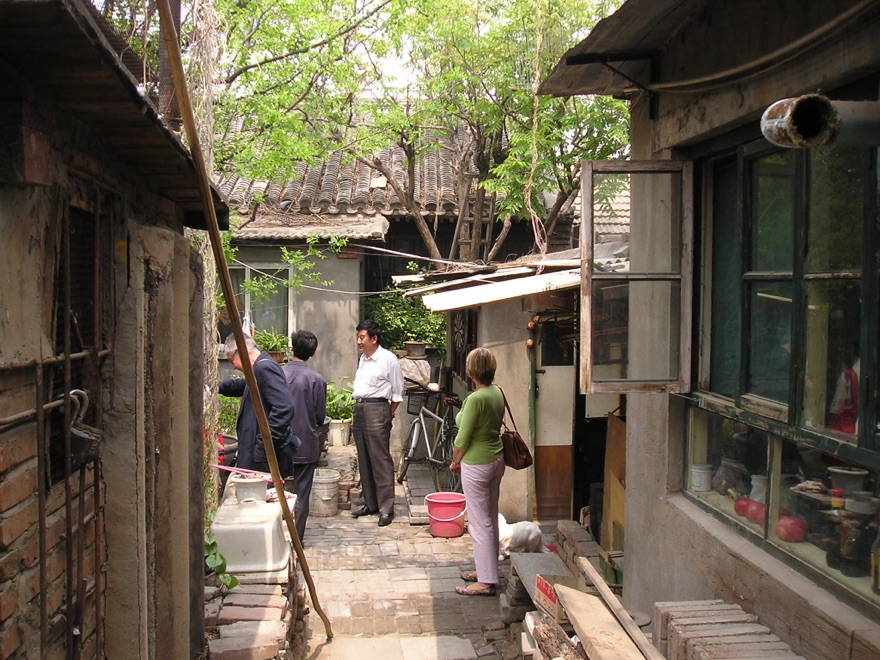
Start with a working street in Rickshaw Boy
The novel follows a character whose livelihood depends on moving through the city. Pay attention to changes in his route, where he has to wait and what he can afford. These are small ways to understand the role of the street in the book. They also offer a different way of reading Beijing after a day spent on its larger landmarks.
Put the study in its setting
At Lao She’s former residence, notice how the work space sits within a home and courtyard. Give yourself time to go from the interior to a nearby public lane. The contrast between the private scale of a writing room and the street life of the novel makes a worthwhile visit even if you have read only part of the book.
Take one question into the neighborhood
How much of the city is available to a person whose work depends on the street? A chapter of Rickshaw Boy gives you a way to ask that question before you visit. Afterward, compare the short space of a lane with a larger road that feeds into it. Read those spaces as present-day Beijing while using the novel to consider a different period.
Continue exploring
Sources and visitor information
Beijing municipal guide · Hutongs